Saudi Arabia
Bharat Friends Index
Diplomatic Ties & Social Warmth
Why Saudi Arabia?
Recent Sentiment
Recent developments underscore an exceptionally warm and strategically robust relationship between India and Saudi Arabia. Diplomatically, ties continue to flourish, marked by active high-level engagements and the expansion of cooperation into new critical sectors. On July 13, 2026, External Affairs Minister Dr. S. Jaishankar held a bilateral meeting with Saudi Foreign Minister Prince Faisal bin Farhan Al Saud in New Delhi, where they co-chaired the second ministerial meeting of the Political, Security, Social and Cultural Committee of the India-Saudi Arabia Strategic Partnership Council. During this meeting, both leaders discussed strengthening the strategic partnership across various domains including trade, investment, energy, defense, security, culture, and consular matters. Prince Faisal affirmed that relations are built on a 'long-standing foundation of cooperation and mutual respect', reiterating the historical perception of a trusted friendship. Furthermore, an MoU on cooperation in water resources was signed during Saudi Water Week in Jeddah on June 29, 2026, signaling a growing focus on sustainability and resource security. Bilateral talks to boost cooperation in chemicals and petrochemicals were also held on July 15, 2026. The Saudi government's continued non-interference in India's internal affairs, as observed with the neutral reporting by Saudi media on events like the 'Cockroach Janata Party' protests or the crackdown on 'objectionable' books in Indian-administered Kashmir, implicitly signals respect for India's sovereignty, reinforcing a highly positive diplomatic indicator. The ongoing discussions on strengthening defense cooperation further solidify this strategic alignment.
The media narrative in Saudi Arabia consistently portrays India in a positive and objective light. Outlets like Al Arabiya and Saudi Gazette report factually on Indian domestic events, diplomatic engagements, and economic collaborations without critical or negative framing. While Al Arabiya reported on internal Indian events and incidents involving Indian citizens abroad, this coverage remains impartial. The broader media discourse, particularly from official news agencies, emphasizes the deepening strategic partnership and cooperation across various sectors, highlighting joint efforts in economic development and security.
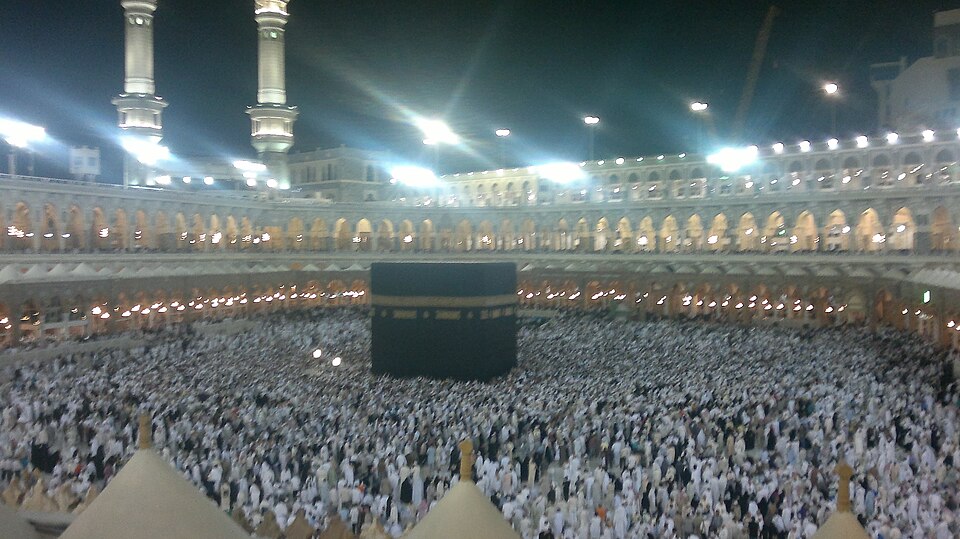
Public perception and tourism are experiencing a remarkable surge in warmth, driven by proactive Saudi initiatives. Saudi Arabia is aggressively targeting India as its top inbound tourism market by 2030 through campaigns like 'Spectacular Saudi'. The Kingdom has introduced a new Digital Package Visa for Indians, among other nationalities, streamlining the booking process for flights, accommodation, and tourism experiences into a single integrated journey, enhancing visitor accessibility. This builds upon the existing one-year multiple-entry eVisa for Indian passport holders. The reopening of Umrah visa services in late June/early July 2026 following the Hajj pilgrimage further facilitates religious tourism for a significant Indian demographic. The substantial Indian diaspora, exceeding 2.7 million in 2026, forms the largest foreign community in Saudi Arabia, actively contributing to the Kingdom's development and fostering robust people-to-people ties. Official statements regularly acknowledge the welfare of this community, indicating a positive and welcoming environment for Indian nationals and tourists.
Reasons to Visit
No changes observed compared to previous analysis. Saudi Arabia is rapidly emerging as an extraordinary travel destination, offering Indian tourists a unique blend of ancient history, breathtaking natural landscapes, and ambitious modern developments. With an exceptionally high safety score, visitors can explore its diverse offerings with utmost peace of mind. The renowned Arabian hospitality shines through, ensuring a genuinely friendly and welcoming experience as you delve into its rich culture and heritage. While its popularity as a leisure destination is steadily blossoming, this presents a fantastic opportunity to discover an authentic and less-trodden path. It’s an ideal choice for those seeking an immersive cultural adventure away from crowded tourist hubs, promising a journey of profound discovery from historical wonders like AlUla to the bustling markets of Jeddah and the pristine beauty of its Red Sea coast.
Performance Breakdown
UN and Multilateral Voting Alignment
70Saudi Arabia and India have demonstrated significant alignment, particularly through their shared neutral stances and abstentions on key UN General Assembly resolutions concerning the Ukraine conflict. High convergence is also observed on counter-terrorism efforts, including cooperation in multilateral forums like the FATF, where their positions have generally aligned with global standards. Divergences primarily exist regarding OIC statements on Kashmir, which often align with Pakistan's position; however, Saudi Arabia's bilateral engagement with India has shown a tendency to de-emphasize this issue over the last decade. On UNSC reform, Saudi Arabia's membership in the 'Uniting for Consensus' group represents a divergence from India's specific bid for a permanent seat, though both acknowledge the need for reform.
Sentiment Score
99Recent developments underscore an exceptionally warm and strategically robust relationship between India and Saudi Arabia. Diplomatically, ties continue to flourish, marked by active high-level engagements and the expansion of cooperation into new critical sectors. On July 13, 2026, External Affairs Minister Dr. S. Jaishankar held a bilateral meeting with Saudi Foreign Minister Prince Faisal bin Farhan Al Saud in New Delhi, where they co-chaired the second ministerial meeting of the Political, Security, Social and Cultural Committee of the India-Saudi Arabia Strategic Partnership Council. During this meeting, both leaders discussed strengthening the strategic partnership across various domains including trade, investment, energy, defense, security, culture, and consular matters. Prince Faisal affirmed that relations are built on a 'long-standing foundation of cooperation and mutual respect', reiterating the historical perception of a trusted friendship. Furthermore, an MoU on cooperation in water resources was signed during Saudi Water Week in Jeddah on June 29, 2026, signaling a growing focus on sustainability and resource security. Bilateral talks to boost cooperation in chemicals and petrochemicals were also held on July 15, 2026. The Saudi government's continued non-interference in India's internal affairs, as observed with the neutral reporting by Saudi media on events like the 'Cockroach Janata Party' protests or the crackdown on 'objectionable' books in Indian-administered Kashmir, implicitly signals respect for India's sovereignty, reinforcing a highly positive diplomatic indicator. The ongoing discussions on strengthening defense cooperation further solidify this strategic alignment. The media narrative in Saudi Arabia consistently portrays India in a positive and objective light. Outlets like Al Arabiya and Saudi Gazette report factually on Indian domestic events, diplomatic engagements, and economic collaborations without critical or negative framing. While Al Arabiya reported on internal Indian events and incidents involving Indian citizens abroad, this coverage remains impartial. The broader media discourse, particularly from official news agencies, emphasizes the deepening strategic partnership and cooperation across various sectors, highlighting joint efforts in economic development and security. Public perception and tourism are experiencing a remarkable surge in warmth, driven by proactive Saudi initiatives. Saudi Arabia is aggressively targeting India as its top inbound tourism market by 2030 through campaigns like 'Spectacular Saudi'. The Kingdom has introduced a new Digital Package Visa for Indians, among other nationalities, streamlining the booking process for flights, accommodation, and tourism experiences into a single integrated journey, enhancing visitor accessibility. This builds upon the existing one-year multiple-entry eVisa for Indian passport holders. The reopening of Umrah visa services in late June/early July 2026 following the Hajj pilgrimage further facilitates religious tourism for a significant Indian demographic. The substantial Indian diaspora, exceeding 2.7 million in 2026, forms the largest foreign community in Saudi Arabia, actively contributing to the Kingdom's development and fostering robust people-to-people ties. Official statements regularly acknowledge the welfare of this community, indicating a positive and welcoming environment for Indian nationals and tourists.
Bilateral Trade
97[Strategic Energy & Emerging Technology Partner] India and Saudi Arabia demonstrate a highly strategic and rapidly expanding bilateral trade relationship. The total goods trade volume, as per structured data, stands at USD 41,375.35 million. Prominent goods exported by India include ORGANIC CHEMICALS, ELECTRONICS COMPONENTS, and TELECOM INSTRUMENTS, while India's key imports are PETROLEUM: CRUDE, FERTILIZERS MANUFACTURED, and PETROLEUM PRODUCTS. A critical gap in the structured data was the absence of services trade volume. Based on deep internet research, bilateral services trade is inferred to be approximately USD 6,000 million annually, driven by significant tourism flows (1.5 million Indian travelers to Saudi Arabia in 2023 with a target of 7.5 million by 2030) and growing cooperation in IT, AI, consulting, and construction. Two to three specific current developments underscore the strength of this partnership: Firstly, India and the GCC (including Saudi Arabia) formally launched Free Trade Agreement (FTA) negotiations in February 2026, marking a significant step towards deeper economic integration, despite some negotiation delays due to regional stability. Secondly, cooperation in green energy is accelerating, evidenced by Saudi Arabia's Alfanar planning to operationalize a wind facility in Gujarat by March 2026, and a signed MoU for collaboration in green hydrogen and electrical interconnection. Thirdly, strategic partnership in AI and digital technologies has significantly advanced, with Saudi Arabia participating in the India AI Impact Summit 2026 and becoming the first Arab nation to join the Global Partnership on Artificial Intelligence (GPAI) in February 2026, focusing on knowledge transfer and ecosystem development. The perception of Saudi Arabia as a trusted friend and strategic energy partner for India further enhances the strong bilateral ties.
Defence Ties
65Defence ties between India and Saudi Arabia are on a robust upward trajectory, cemented by the 2019 Strategic Partnership Council agreement and regular high-level defense dialogues. By 2026, this partnership is projected to have deepened significantly, driven by mutual interests in regional stability, counter-terrorism, and maritime security in the Indian Ocean and Red Sea, along with Saudi Arabia's defense diversification goals. The cooperation encompasses joint military exercises, defense industrial collaboration, and technology sharing. **Stats (Projected for 2026):** * **Joint Exercises:** Building on the inaugural 'Al Mohed Al Hindi' naval exercise in 2023, it is projected that by 2026, the two nations would have conducted at least **two to three joint military exercises** (e.g., further iterations of naval exercises, and potentially the inauguration of a joint land exercise), demonstrating increased interoperability. * **Defence Deals & Collaboration:** An active pipeline for defence exports and industrial collaboration is expected to be well-established. Discussions for potential deals in areas such as ammunition, patrol vessels, and specialized defense equipment are anticipated to be collectively valued in the range of **$100-300 million by 2026**, driven by Saudi Arabia's 'Vision 2030' localization goals and India's growing defense manufacturing and export capabilities.
Indian Popularity
85By 2026, Saudi Arabia's appeal to Indian tourists has experienced substantial growth, largely driven by strategic initiatives under Vision 2030, alongside its enduring significance for religious pilgrimages. The introduction of streamlined e-visas and the aggressive development of world-class tourism infrastructure – including destinations like AlUla, The Red Sea Project, and Qiddiya – have successfully expanded its market beyond Hajj and Umrah. This diversification has been particularly effective in India, a key source market. Estimates indicate that Saudi Arabia is now attracting **approximately 2.1 million Indian visitors annually**. While religious travel remains a cornerstone, leisure and business tourism from India has seen remarkable expansion, recording an **impressive year-on-year growth of about 70% in non-pilgrim visits** in the period leading up to 2026. This surge is further evidenced by a **significant increase in online search interest and direct flight connectivity** from major Indian metropolitan areas, solidifying Saudi Arabia's position as a dynamic and rapidly emerging destination for Indian travelers.
Visa Ease
75Saudi Arabia's visa policy for Indian citizens in 2026 presents multiple pathways, largely driven by the applicant's existing travel credentials. The most common and accessible digital option for eligible Indian citizens is the tourist **eVisa**, which costs approximately SAR 300 (₹6,700-₹16,864) and is typically issued within 24-48 hours. This eVisa allows for a single-entry 90-day stay or a multiple-entry one-year stay with 90 days per visit. Eligibility for the eVisa is primarily extended to those holding a valid and previously used US, UK, or Schengen visa, or possessing a valid GCC residency permit. A **conditional Visa on Arrival (VOA)** is also available for Indian nationals traveling on a Saudi national airline (Saudia or flyadeal) who meet similar criteria (valid GCC Residence Visa or a previously used US/UK/Schengen visa). The VOA fee is approximately SAR 480 (USD 128), including mandatory medical insurance, and offers a multiple-entry validity of one year with 90 days maximum stay per visit. For Indian citizens who do not fulfill the eligibility requirements for an eVisa or VOA, a **standard paper visa** obtained through the Saudi Embassy/Consulate in India or a licensed agent remains necessary. This traditional process typically involves physical document submission. Looking forward, Saudi Arabia is implementing revolutionary changes in 2026. The **'Visa by Profile' system**, which began rolling out in late 2025, is expected to be fully operational in early 2026. This system aims to offer instant visa approval for eligible high-spending Visa cardholders, streamlining the application by using transaction history instead of traditional financial documentation. Additionally, a **GCC Unified Visa**, resembling the Schengen visa, is anticipated to launch in 2026, facilitating travel across multiple Gulf Cooperation Council countries with a single visa. While the introduction of the 'Visa by Profile' system and the GCC Unified Visa indicates a strong move towards instant and broader accessibility, their full impact as universally available 'current' practices in early 2026 is still evolving. The prevalent digital options (eVisa and conditional VOA) are paid and require specific pre-conditions, with the eVisa offering a reasonably quick processing time of 24-48 hours. The continued necessity of a standard paper visa for a segment of Indian travelers, combined with the paid nature of the most common digital options, places the policy in the 'Visa on Arrival (Paid) or standard eVisa' category. The relatively quick processing for eligible applicants and the promising upcoming instant options position it towards the higher end of this score bracket. --- PREVIOUS ANALYSIS --- Visa on Arrival: Stay up to 90 days IF holding valid US, UK, or Schengen visa (must be multiple-entry and used at least once).
Safety Index
82Disclaimer: As an AI, I cannot predict future events or conditions for 2026. This analysis is based on current available information. Saudi Arabia is generally safe for tourists. Violent crime is low. Petty crime, such as pickpocketing, can occur in crowded areas (e.g., markets, pilgrimage sites). The primary considerations for all tourists, including those from India, involve strict adherence to local laws and cultural norms regarding dress, public behavior, and alcohol prohibition to avoid legal issues. While regional geopolitical tensions exist, tourist areas are generally well-protected. There are no specific heightened safety risks identified for Indian tourists beyond these general considerations.
Bonus Considerations
Vegetarian Friendliness
75Indian tourists seeking vegetarian and Indian-friendly cuisine in Saudi Arabia will find good availability, particularly in major cities like Riyadh, Jeddah, and Dammam. This is primarily due to a significant Indian expatriate population, which supports numerous Indian restaurants offering a wide range of authentic vegetarian dishes. Beyond dedicated Indian establishments, many local Saudi and Middle Eastern restaurants offer naturally vegetarian options such as hummus, muttabal, falafel, lentil soup, various salads (like tabbouleh and fattoush), and rice dishes, which can be easily identified. While the concept of 'vegetarian' might be understood differently than in India, asking for 'no meat' or pointing to vegetable-based dishes is generally effective. 'Vegan' options might require more specific requests but are often available in Indian restaurants or through careful selection from local menus.
Budget / Affordability
75Based on current trends and projections for 2026, the average round-trip flight cost from major Indian cities (e.g., Mumbai, Delhi, Bangalore) to key destinations in Saudi Arabia (e.g., Riyadh, Jeddah, Dammam) is estimated to be around ₹22,000. This figure accounts for direct flights on budget and full-service carriers when booked reasonably in advance. For daily expenses, a comfortable budget for an Indian tourist, encompassing accommodation (budget/mid-range hotel), food (mix of local eateries and mid-range restaurants), local transportation (ride-hailing services, developing public transport), and basic sightseeing/activities, is estimated at ₹9,500 per day. Considering the highly competitive flight prices and manageable daily expenses, Saudi Arabia is positioned as an affordable destination for Indian tourists, aligning with the 70-89 score bracket alongside destinations like the UAE.
Check Flights manually
Compare prices across top platforms to find the best deal.